Blog
10 Mistakes Parents Make When Teaching Kids About Money
As parents, we play a crucial role in shaping our children’s financial future. However, even with the best of intentions, we often stumble when it comes to teaching kids about money. Let’s explore the top 10 mistakes parents make and how to avoid them.
1. Treating Money as Taboo
Many parents shy away from discussing finances with their children. Research from the University of Cambridge shows that money habits are formed as early as age seven.
Action Item: Don’t hesitate to talk about money openly and frequently with your kids.
2. Mismanaging Allowances
Allowances can be a powerful teaching tool, but only when used correctly. According to a study by T. Rowe Price, 49% of parents give allowances, but many do so without clear guidelines.
Action Item: Set clear expectations for allowances and tie them to specific chores or responsibilities. Some parents pay their kids to do chores around the house. My husband and I always offered our kids a financial incentive for getting A’s (our way of teaching them early on how the business world works and showing them that performance-based pay often incentivizes higher productivity and performance) but expected that they do regular chores around the house to help our busy family out. However, you need to do what works best for your child and family’s needs and situation.
3. Ignoring the Importance of Saving
Many parents focus on spending but neglect to teach the value of saving. The Consumer Financial Protection Bureau emphasizes the importance of helping children set savings goals.
Action Item: Help your child open a custodial savings account at your local bank or credit union and help them set achievable savings targets. This will be necessary until they are old enough to have their own account.
4. Overlooking Budgeting Skills
Budgeting is a critical life skill, yet it’s often overlooked in financial education. A study by the Financial Industry Regulatory Authority found that individuals who budget tend to have better financial outcomes.
Action Item: Try this fun interactive online budgeting game with your kids. It’s FREE!
5. Failing to Lead by Example
Children learn by watching others, particularly their parents. If you’re constantly overspending or making impulsive purchases, your kids will likely follow suit.
Action Item: Model good financial behavior consistently.
6. Neglecting to Teach About Credit
While it may seem premature, understanding credit is crucial. A report from Experian suggests introducing the concept of credit as early as elementary school.
Action Item: Explain both the benefits and risks of credit cards to your children.
7. Avoiding Discussions About Financial Mistakes
We all make financial mistakes, but hiding them from our children robs them of valuable learning opportunities. Most of us learn more from our mistakes than from our successes so the earlier kids realize this the better.
Action Item: Share your financial missteps and the lessons you’ve learned.
8. Failing to Differentiate Between Needs and Wants
Many children struggle to understand the difference between must-haves and nice-to-haves.
Action Item: Help them distinguish between needs and wants through regular discussions and real-life examples like walking through the grocery store with them.
9. Not Encouraging Entrepreneurship
Entrepreneurship fosters creativity, problem-solving, and financial literacy. Encourage your child’s entrepreneurial spirit, whether it’s through babysitting, helping them with a lemonade stand or starting a small online business.
10. Forgetting to Teach About Giving
Teaching children about charitable giving helps develop empathy and financial responsibility. Encourage your kids that giving their time and/or money to someone in need is one of the greatest gifts you can do for someone. Research from Indiana University shows that children whose parents talk to them about giving are 20% more likely to give to charity themselves.
Action Item: Start a family tradition of choosing a charity to support together each year. Our kids would put a small portion of their birthday money into the church offering baskets and often gave to the local animal shelter. It was a great way for them to experience first hand what giving financially looked like. We also used to have a White Elephant envelope on our Christmas tree that we would all look forward to reading every Christmas Eve. It would tell the story of a random act of kindness one of us did to help someone.
By avoiding these common mistakes, you can set your children on the path to financial success. Remember, it’s never too early to start teaching kids about money. With patience, consistency, and the right approach, you can help your children develop healthy financial habits that will serve them well now and throughout their adult lives.
Sign up for our newsletter to get articles like this sent directly to your email inbox!
Social media


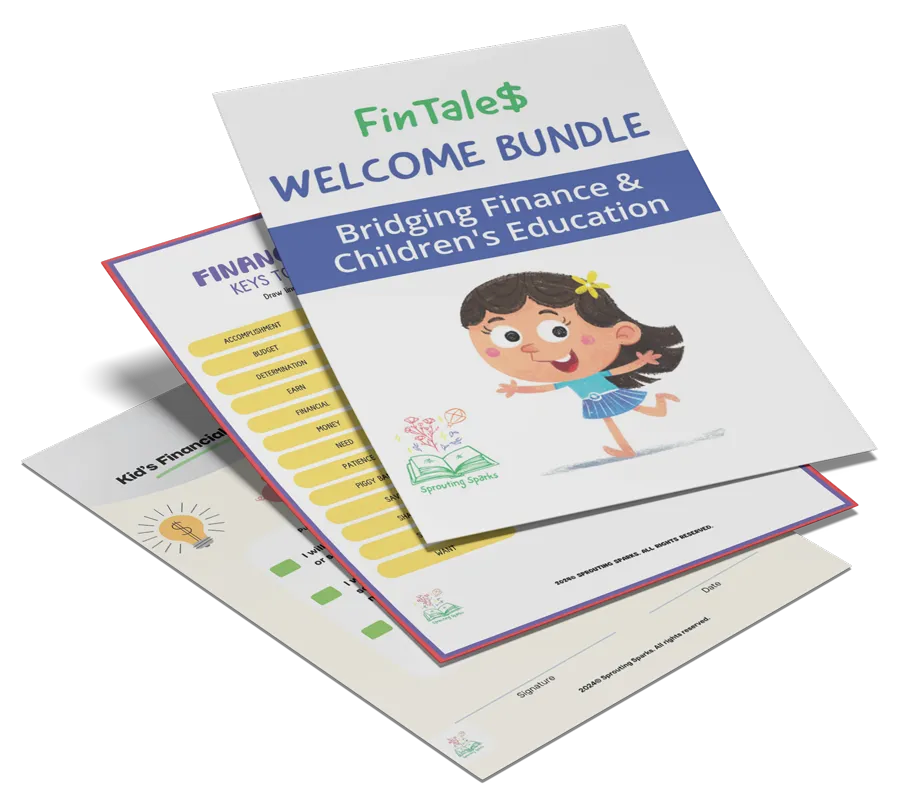
Free Welcome Bundle
Subscribe to my newsletter and receive a FREE welcome bundle, news, latest blogs, as well as updates on upcoming books & events.